

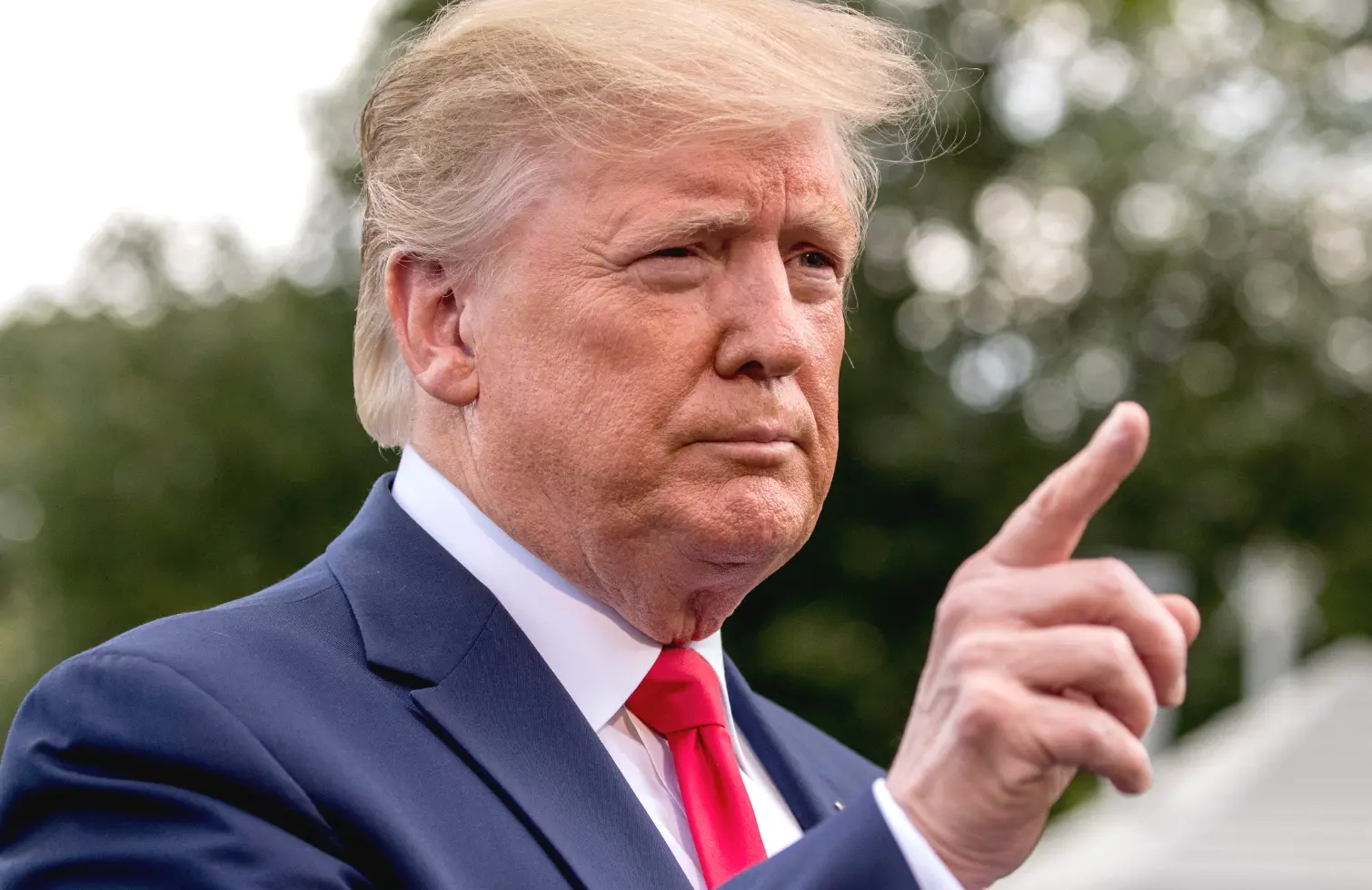
US President Donald Trump has denied claims that he is seeking a quick deal with Iran, as he combined threats and diplomatic signals during a cabinet meeting at the White House.
Speaking on Thursday, Trump rejected reports that he was under pressure to end the conflict, insisting he was “not desperate” despite rising oil prices and global concern over a prolonged war.
“I read a story today that I’m desperate to make a deal. I’m the opposite of desperate. I don’t care,” he told reporters.
The meeting was the first since the United States and Israel began joint military operations against Iran on 28 February. Trump said the campaign was progressing faster than expected and claimed Iran was weakening.
“They want to make a deal,” he said. “The reason is they have been heavily hit.”
However, Iranian officials have denied any direct negotiations, maintaining that no formal talks are taking place.
Trump also suggested that Iran had allowed oil tankers to pass through the Strait of Hormuz as a sign of willingness to ease tensions. The route is a key global energy corridor, handling a significant share of the world’s oil and gas supply.
At the same time, the US president raised the possibility of taking control of Iran’s oil resources, signalling a harder stance even as diplomatic channels remain uncertain.
His comments come ahead of a deadline he set for Iran to reopen the Strait fully or face further strikes on energy infrastructure. Trump said he had yet to decide whether to extend the timeline.
US envoy Steve Witkoff confirmed that Washington had sent a list of proposals through Pakistan, noting “strong signs” that Iran could respond.
Senior officials also echoed the mixed tone. Secretary of State Marco Rubio said military pressure would continue, while Defence Secretary Pete Hegseth said the US remained open to a deal but would sustain operations.
Trump also criticised NATO allies for what he described as limited support in securing the Strait, warning that their stance could have consequences.
The developments highlight ongoing uncertainty over the direction of the conflict, with diplomacy and military action unfolding side by side.
