Category: Latest News

Real-time updates and the most recent stories as they happen, including breaking news and fast-moving developments.

  • Reno Omokri Dedicates Kilimanjaro Climb to Tinubu

    Reno Omokri Dedicates Kilimanjaro Climb to Tinubu

    Nigerian diplomat and former presidential aide Reno Omokri has dedicated the first day of his climb to the summit of Mount Kilimanjaro to President Bola Tinubu.

    Omokri announced the dedication on Saturday in a post on his verified X account, formerly known as X. He said the opening stage of the climb of Africa’s highest mountain was in honour of the Nigerian leader and the country.

    The former presidential spokesperson described the gesture as a sign of appreciation for Tinubu and part of his effort to promote Nigeria on the global stage.

    Omokri said the Kilimanjaro expedition forms part of a wider campaign to project a positive image of Nigeria internationally. He plans to hoist the Nigerian flag at the summit of the mountain, a feat that typically requires several days of climbing.

    Standing at about 5,895 metres above sea level, Mount Kilimanjaro in Tanzania is the tallest mountain in Africa and attracts thousands of climbers each year.

    Omokri previously served as a special assistant to former President Goodluck Jonathan. In recent months, he has expressed strong support for Tinubu’s administration, often praising the president’s leadership and policies.

    The climb also comes shortly after Omokri received a diplomatic appointment from the Nigerian government. In March 2026, Tinubu approved his posting as Nigeria’s ambassador to Mexico.

    Omokri said he intends to use the role to promote Nigeria’s interests and strengthen international partnerships.

    He described the Kilimanjaro climb as both a personal challenge and a patriotic gesture aimed at showcasing Nigeria’s image abroad.

    The expedition is expected to end at Uhuru Peak, the highest point on Mount Kilimanjaro, where he plans to raise the Nigerian flag.

  • PRESIDENT TINUBU APPROVES THE POSTINGS OF AMBASSADORS

    PRESIDENT TINUBU APPROVES THE POSTINGS OF AMBASSADORS

    President Bola Ahmed Tinubu has approved the postings of 31 career and 34 non-career ambassadors to various countries and the United Nations. The Senate confirmed the ambassadors-designate last December.

    POSTINGS OF NON-CAREER AMBASSADORS / HIGH COMMISSIONERS
    S/N NAME MISSION APPROVED
    1. SENATOR GRACE BENT: LOME-TOGO
    2. SEN. ITA ENANG: SOUTH AFRICA
    3. IKPEAZU VICTOR: SPAIN
    4. NKECHI LINDA UFOCHUKWU: TEL-AVIV, ISRAEL
    5. MAHMUD YAKUBU: QATAR
    6. PAUL OGA ADIKWU: THE VATICAN CITY HOLY SEE
    7. VICE ADMIRAL IBOK-ETE EKWE IBAS: THE PHILIPPINES
    8. MR. RENO OMOKRI: MEXICO CITY, MEXICO
    9. HON. (ENGR.) ABASI BRAIMAH (FMHR): BUDAPEST, HUNGARY
    10. MRS. ERELU ANGELA ADEBAYO: PORTUGAL
    11. BARR. OLUMILUA OLUWAYIMIKA AYOTUNWA: TOKYO, JAPAN
    12. RT. HON. UGWUANYI IFEANYI LAWRENCE: ATHENS, GREECE
    13. BARR. CHIOMA PRISCILLA OHAKIM: WARSAW, POLAND
    14. AMINU DALHATU: UNITED KINGDOM, UK
    15. LT. GEN ABDULRAHMAN BELLO DAMBAZAU: BEIJING, CHINA
    16. HON. TASIU MUSA MAIGARI: GAMBIA
    17. OLUFEMI PEDRO: AUSTRALIA
    18. BARR. MUHAMMED UBANDOMA ALIYU: ARGENTINA
    19. LATEEF KAYODE ARE: USA
    20. AMB. JOSEPH SOLA IJI: RUSSIA
    21. SEN. JIMOH IBRAHIM: UN PERMANENT REPRESENTATIVE
    22. FEMI FANI KAYODE: GERMANY
    23. PROF. ISAAK FOLORUNSO ADEWOLE: OTTAWA, CANADA
    24. AJIMOBI FATIMA FLORENCE (F): AUSTRIA
    25. MRS. LOLA AKANDE (F): SWEDEN
    26. AYODELE OKE: FRANCE
    27. YAKUBU N. GAMBO: SAUDI ARABIA
    28. SENATOR PROF. NORA LADI DADUUT: SEOUL, SOUTH KOREA
    29. BARR. ONUEZE CHUKWUJIKA JOE OKOCHA SAN: DUBLIN
    30. DR. KULU HARUNA ABUBAKAR: TUNIS, TUNISIA
    31. RT. HON. JERRY SAMUEL MANWE: PORT OF SPAIN, T&T
    POSTINGS OF CAREER AMBASSADORS / HIGH COMMISSIONERS LIST
    S/N NAME MISSION APPROVED

    1. AMB. NWABIOLA EZENWA CHUKWUMEKA: COTE D’IV/OIRE
    2. BESTO MAIMUNA IBRAHIM: NIAMEY-NIGER
    3. MONICA OKWUCHUKWU ENEBECHI: SAO TOME, STP
    4. AMB. MOHAMMED MAHMUD LELE: ALGIERS-ALGERIA
    5. ENDONI SYNDOPH PAEBI: OUAGADOUGOU-BURKINA FASO
    6. AHMED MOHAMMED MONGUNO: CAIRO EGYPT
    7. AMB.JANE ADAMS (NEE OKON) MICHAEL (F): KINGSTON-JAMAICA
    8. AMB. CLARK-OMERU ALEXANDRA (F): LUSAKA-ZAMBIA
    9. CHIMA GEOGGREY LIOMA DAVID: BAMAKO-MALI
    10. AMB. ODUMAH YVONNE EHINOSEN: MALABO –E/GUINEA
    11. AMB WASA SEGUN IGE: BEIRUT, LEBANON
    12. RUBEN ABIMBOLA SAMUEL (F): ROME, ITALY
    13. AMB.ONAGA OGECHUKWU KINGSLEY: MAPUTO, MOZAMBIQUE
    14. AMB.MAGAJI UMAR: KINSASHA, DR CONGO
    15. AMB.MUHAMMAD SAIDU DAHIRU: NEW DELHI-INDIA
    16. AMB. ABDUSSALAM HABU ZAYYAD: DAKAR-SENEGAL
    17. AMB SHEHU ILU BARDE: ACCRA GHANA
    18. AMB.AMINU NASIR: ETHIOPIA
    19. ABUBAKAR MUSA MUSA: N’DJAMENA, CHAD
    20. AMB. HAIDARA MOHAMMED IDRIS: THE HAGUE-NETHERLANDS
    21. AMB.BAKO ADAMU UMAR: RABAT-MOROCCO
    22. AMB. SULU GAMBARI OLATUNJI AHMED: MALAYSIA
    23. AMB.ROMATA MOHAMMED OMOBOLANLE (F): TANZANIA
    24. AMB. SHAGA JOHN SHAMAH: BOTSWANA
    25. SALAU, HAMZA MOHAMMED: TEHRAN, IRAN
    26. AMB.IBRAHIM DANLAMI: KENYA
    27. IBRAHIM ADEOLA MOPELOLA (F): COTONOU-BENIN
    28. AMB.AYENI ADEBAYO EMMANUEL: BRUSSELS, BELGIUM
    29. AMB.AKANDE WAHAB ADEKOLA: BERNE-SWITZERLAND
    30. AMB. AREWA (NEE ADEDOKUN) ESTHER (F): WINDHOEK-NAMIBIA
    31. AMB.GERGADI JOSEPH JOHN: LIBREVILLE-GABON
    32. AMB. LUTHER OGBOMODE AYO-KALATA (F): SIERRA LEONE
    33. DANLADI YAKUBU NYAKU : KHARTOUM-SUDAN
    34. BELLO DOGON-DAJI HALIRU: BANGKOK, THAILAND
    The Ministry of Foreign Affairs has already received agrément from the United Kingdom for the High Commissioner-designate, Ambassador Aminu Dalhatu. Similarly, France has sent the agrément for Ambassador Ayo Oke.
    The Ministry has also conveyed the nominations of the other 62 designated envoys to all the countries concerned, including a request for their agréments in line with standard diplomatic practice.
    President Tinubu has directed that the Ministry of Foreign Affairs should immediately commence the induction programme for the ambassadors-designate and High Commissioners.

    Bayo Onanuga,

    Special Adviser to the President,

    (Information and Strategy)

    March 6, 2026

  • Oluremi Tinubu Urges Nigerians to Reject ‘Entitlement Mentality’

    Oluremi Tinubu Urges Nigerians to Reject ‘Entitlement Mentality’

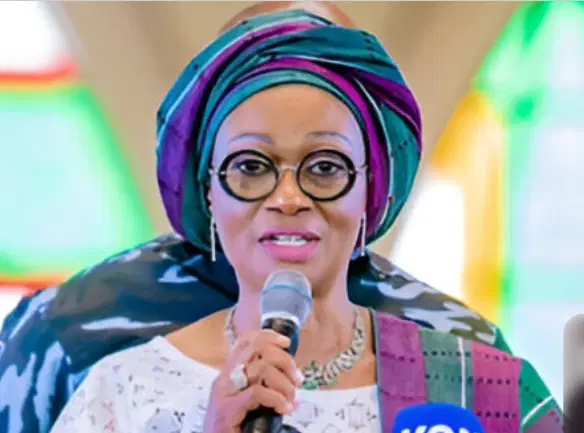
    Nigeria’s First Lady, Oluremi Tinubu, has urged citizens to reject what she described as an “entitlement mentality” and instead embrace responsibility, integrity and service to the nation.

    Her remarks were contained in a statement released on Thursday by her Senior Special Assistant on Media, Busola Kukoyi.

    The First Lady spoke while hosting an interfaith breaking of fast event that brought together women from different sectors across the country. The gathering coincided with the Muslim Ramadan fast and the Christian Lenten season.

    According to Mrs Tinubu, the overlap of the two religious observances sends a strong message about unity and peaceful coexistence in Nigeria.

    “Today is indeed a great day. It is a day God made for us to gather together as women from different backgrounds,” she said.

    She noted that despite attempts by some groups to create divisions along religious lines, Nigerians have historically lived together peacefully regardless of faith.

    “Recently, a lot of things have been going on and people are trying to target our religious beliefs. But we Nigerians know that most of the time that is not the case,” she said.

    Drawing from her personal experience, Mrs Tinubu referred to her nearly four decades of marriage to President Bola Tinubu, saying mutual respect has helped sustain their relationship.

    “Some of us are married to men of different faiths and we have lived together for many years. For me, almost 40 years,” she said.

    She added that respect and maturity are essential for peaceful relationships and national harmony.

    The First Lady also called on Nigerians to abandon what she described as an entitlement mindset and focus on contributing positively to society.

    She urged women whose spouses hold public office, as well as women in leadership roles, to recognise their responsibility in promoting accountable leadership and national development.

    “Most women in this room either hold public office or have husbands who do. You as the wife have a role to play,” she said.

    Mrs Tinubu also stressed the need for mentorship, urging Nigerians to guide younger generations and pass on values that will shape the country’s future.

    At the event, a Director at National Open University of Nigeria, Prof. Ganiyat Adejoke Adesina-Uthman, delivered a lecture on public service.

    Speaking on the theme “Serving with Excellence, Compassion and Integrity in Public Life,” she warned that Nigeria faces a growing crisis of trust in public office.

    Adesina-Uthman stressed that integrity remains a non-negotiable value for anyone serving in government or public institutions.

  • Tinubu Used Diplomacy to Prevent US Action, Aremu Says

    Tinubu Used Diplomacy to Prevent US Action, Aremu Says

    Alhaji Isa Aremu, Director-General of the Michael Imodu Institute for Labour and Employment Studies in Ilorin, says President Bola Tinubu used diplomacy to ease tensions with the United States after claims of genocide in parts of Nigeria.

    Speaking on Wednesday at the institute’s fifth Ramadan lecture in Kwara State, Aremu said the president avoided a public confrontation with US President Donald Trump and instead relied on quiet diplomacy.

    The lecture, titled “The Role of Muslims in Supporting the Bereaved,” was organised by the institute’s Muslim community.

    Aremu said Tinubu chose not to exchange words or make hostile remarks when reports about alleged genocide surfaced internationally. Instead, he said, the Nigerian leader worked behind the scenes to reduce tensions.

    “President Bola Tinubu used diplomacy to stop Trump from attacking Nigeria over what he described as imaginary and unexisting genocide,” Aremu told the audience.

    According to him, a confrontational response could have worsened the situation.

    “If President Tinubu had not deployed diplomacy in that case, perhaps we would have been going after one another. We might have been killing ourselves,” he said.

    Aremu argued that calm engagement helped stabilise relations and avoided a diplomatic crisis between the two countries.

    He added that relations appeared to improve weeks later when Trump publicly praised Nigeria’s First Lady, Oluremi Tinubu, for her welfare initiatives.

    The comments come amid ongoing international debate over security conditions in parts of Nigeria, where violence linked to insurgency, banditry and communal clashes has raised concern among global observers.

    Nigeria’s government has repeatedly rejected claims of genocide, insisting that security challenges in the country are complex and not driven by systematic ethnic or religious extermination.

    The Michael Imodu Institute for Labour and Employment Studies, based in Ilorin, is a federal training and research centre focused on labour relations and workforce development.

    Aremu’s remarks highlight how Nigerian officials say diplomatic engagement remains central to managing sensitive international issues involving security and human rights allegations.

  • Tinubu Suspends FAAN Cashless Airport Payment Policy

    Tinubu Suspends FAAN Cashless Airport Payment Policy

    President Bola Tinubu has ordered the immediate suspension of a cashless payment policy introduced by the Federal Airports Authority of Nigeria after it caused heavy congestion at major airports.

    The policy, launched on 1 March, required travellers and drivers to use “Go Cashless” cards or point-of-sale terminals to pay for access gates, parking and airport lounges.

    Within days of its rollout, long queues formed at key airports, including Murtala Muhammed International Airport and Nnamdi Azikiwe International Airport. Many motorists were stranded in traffic while some passengers reportedly missed flights due to the delays.

    The Minister of Aviation and Aerospace Development, Festus Keyamo, confirmed the suspension while briefing journalists after a meeting of the Federal Executive Council in Abuja.

    Keyamo said the President directed the aviation ministry and FAAN leadership to halt the system and review the implementation process.

    According to the minister, Tinubu instructed authorities to “go back to the drawing board” and develop a more practical approach that still promotes transparency in revenue collection without disrupting airport operations.

    The government had introduced the cashless policy to reduce cash handling and improve accountability in airport services. However, passengers and airport users quickly raised concerns about payment delays, poor network connections and limited card access.

    The policy’s sudden rollout also created confusion among drivers and travellers who arrived at airport gates without the required cards or digital payment options.

    Aviation officials say the suspension will allow authorities to assess the problems and design a system that improves efficiency while avoiding disruption to passengers.

    For now, airport users will return to the previous payment system while the government reviews the policy and considers alternatives.

  • Peter Obi didn’t Win 2023 Election, Wasn’t Rigged Out–Lai Mohammed

    Peter Obi didn’t Win 2023 Election, Wasn’t Rigged Out–Lai Mohammed

    Former Information Minister Lai Mohammed has said former Labour Party presidential candidate Peter Obi would not have become Nigeria’s president even if he had secured 10 million votes in the 2023 election.

    Speaking on the State Affairs podcast hosted by Edmund Obilo, Mohammed rejected claims that Obi was rigged out of the race. He said the election outcome followed constitutional requirements and that Obi did not meet them.

    “Even if Peter Obi had won 10 million votes, he could not have become president,” Mohammed said.

    The former minister said the result of the 2023 election faced strong criticism online, particularly from Labour Party supporters who believed their candidate had won. He argued that the perception was driven largely by activity on social media.

    “If you followed social media in 2023, you would think the Labour Party won the election. They were everywhere online,” he said. “But they did not win, and they were not rigged out.”

    Mohammed added that he travelled abroad after the election to explain Nigeria’s voting rules to international audiences, including think tanks and media organisations in the United States and the United Kingdom.

    He said Nigeria’s constitution sets two conditions for winning a presidential election. A candidate must secure the highest number of votes nationwide and obtain at least 25 per cent of votes in two-thirds of the states.

    According to him, Obi finished third in the race behind Atiku Abubakar of the Peoples Democratic Party and Bola Tinubu of the All Progressives Congress.

    Mohammed said Obi secured the required 25 per cent of votes in 15 states, while Atiku achieved the threshold in 21 states. Tinubu, he added, met the spread requirement in 29 states and also secured the highest total votes.

    He also argued that Obi was not the main political challenge during the election. In his view, the opposition might have performed better if Obi had remained within the Peoples Democratic Party.

    “If he had stayed with Atiku, the PDP would probably have won,” Mohammed said.

  • IGP Sets Up Committee to Develop Framework for State Police

    IGP Sets Up Committee to Develop Framework for State Police

    The Inspector-General of Police, Tunji Disu, has inaugurated a seven-member steering committee to design a framework for the proposed establishment of state police in Nigeria.

    The committee, chaired by Professor Olu Ogunsakin, was formally launched on Wednesday. It has been tasked with drafting an operational structure that could guide how state police institutions would function and coordinate with national security agencies.

    Speaking at the inauguration, Disu said the committee’s work would be crucial to strengthening Nigeria’s security architecture. He urged members to provide clear recommendations on recruitment, training standards, resource allocation and oversight mechanisms for state policing.

    “The task before this committee is both significant and timely as it speaks to our collective demand to strengthen Nigeria’s security,” the IGP said.

    He added that the group must ensure any proposed system enhances national security rather than weakening coordination among law enforcement agencies.

    According to the police chief, the committee will study policing models within Nigeria and abroad, assess community security needs and propose a structure that allows state authorities to respond quickly to local threats.

    Disu said decentralising policing could help states tackle security challenges more effectively by bringing law enforcement closer to communities.

    “If thoughtfully designed and effectively implemented, state policing holds significant potential benefits for our country,” he said. “It can deepen local knowledge of security dynamics and enable quicker responses to emerging threats.”

    Other members of the committee include Bode Ojajuni, who will serve as secretary, alongside Okebechi Agora, Suleyman Gulma, Ikechukwu Okafor, Tolulope Ipinmisho and Emmanuel Ojukwu.

    The move comes as the federal government pushes for reforms to allow states to establish their own police forces.

    President Bola Tinubu has repeatedly pledged to introduce state police as part of broader efforts to address rising insecurity across the country.

    He recently asked the National Assembly to amend the 1999 Constitution to provide a legal framework for the reform. Lawmakers have already begun the process of constitutional amendment to accommodate the creation of state police forces.

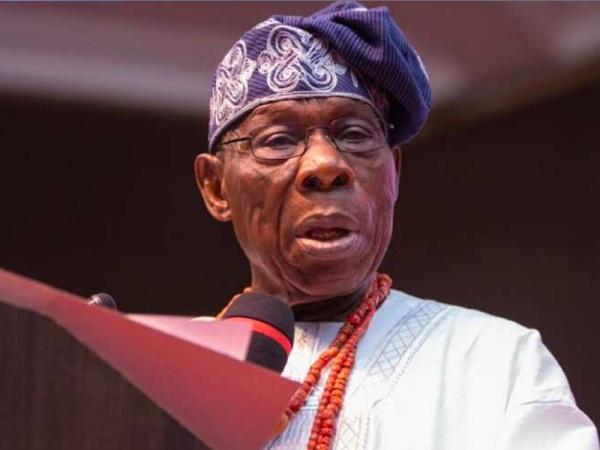
  • Tinubu Hails Obasanjo at 89

    Tinubu Hails Obasanjo at 89

    President Bola Tinubu has congratulated former President Olusegun Obasanjo on his 89th birthday, praising his long record in public service and his influence across Africa.

    In a statement issued on Wednesday by his Special Adviser on Information and Strategy, Bayo Onanuga, the President described Obasanjo as an elder statesman whose impact continues to shape Nigeria and the wider global community.

    Tinubu said he rejoices with the former leader as he marks his birthday on 5 March. He noted Obasanjo’s “towering influence” in national and continental affairs, adding that his role in Nigeria’s political history remains significant.

    Obasanjo first led the country as military Head of State from 1976 to 1979. He handed over power to a civilian administration in 1979. Two decades later, he returned as Nigeria’s first civilian president in the Fourth Republic, serving from 1999 to 2007.

    The President also recalled Obasanjo’s role during the civil war, where he led troops in defence of Nigeria’s unity. He noted that the former leader later spent time in prison after criticising military rule.

    Tinubu said Obasanjo has continued to shape public debate through books and regular public interventions. He described these contributions as evidence of deep patriotism and commitment to nation-building.

    The President prayed for good health, strength and wisdom for the former head of state. He said Obasanjo’s experience and voice remain important as Nigeria navigates political and economic challenges.

    Obasanjo remains one of Nigeria’s most prominent political figures. Over the decades, he has played a key role in mediation efforts across Africa and has often spoken on governance, democracy and economic reform.

  • ICPC Lists Documents, Devices Seized from El-Rufai’s Home

    ICPC Lists Documents, Devices Seized from El-Rufai’s Home

    The Independent Corrupt Practices and Other Related Offences Commission (ICPC) has revealed details of items it says were recovered from the Abuja home of former Kaduna State Governor, Nasir El-Rufai, during a search last month.

    The anti-graft agency filed the details before the Federal Capital Territory High Court as it opposed a N1bn fundamental rights suit brought by the former governor. El-Rufai is challenging what he calls his illegal arrest, detention and the search of his residence.

    In court papers, the ICPC said its officers acted under a valid search warrant issued on 18 February and executed the following day at 12 Mambilla Street, Asokoro, Abuja. The commission said the operation ran from 1:37pm to 3:56pm and was carried out with officers of the Nigeria Police Force present.

    According to the filings, the search was witnessed by El-Rufai’s wife, Hadiza El-Rufai, and his son, Mohammed El-Rufai.

    The commission listed investor account statements, asset declaration forms, company registration papers, corporate compliance records and client Know-Your-Customer files among the documents recovered. It also cited records of domestic and foreign loans approved by the Kaduna State House of Assembly between 2015 and 2023, share certificates in Ecobank Nigeria Plc, land documents, valuation reports, deeds of assignment and Powers of Attorney for several properties.

    Electronic items allegedly seized include nine flash drives, one memory card, seven hard drives, multiple laptops such as Apple MacBook Pro and Elumac Book Pro models, several mobile phones, 18 other devices and a Remarkable tablet. The ICPC said all items were sealed for forensic analysis and documented in a detailed device form.

    The commission noted that El-Rufai stated he did not grant consent for access to the devices.

    In response, his family accused the ICPC of trying to criminalise his silence during interrogation. In a statement signed by his son, Bello El-Rufai, a member of the House of Representatives, the former governor urged the agency to file charges if it had evidence.

    The family also disputed the scope of items taken and said only personal effects were seized. They argued that the search warrant was invalid and have challenged it in court.

    The ICPC maintains its actions were lawful and part of ongoing investigations into alleged corruption and asset concealment.

  • Wire-Tapping: El-Rufai Family Accuses ICPC of Smear Campaign

    Wire-Tapping: El-Rufai Family Accuses ICPC of Smear Campaign

    The family of former Kaduna State governor Nasir El-Rufai has accused the Independent Corrupt Practices and Other Related Offences Commission of running a “malicious smear campaign” over an investigation linked to alleged surveillance equipment.

    In a statement issued by his son, Mohammed Bello El-Rufai, a member of the House of Representatives, the family rejected claims that the former governor failed to cooperate with investigators.

    The statement said the commission was wrong to suggest that El-Rufai’s silence amounted to non-cooperation. It argued that the Constitution gives every citizen the right to remain silent and that exercising this right cannot be used against him.

    The family also denied reports that specialised phone-tapping or espionage devices were found at a property linked to the former governor. They said officials only took “old discarded personal mobile phones, flash drives and laptops”.

    They further challenged the legality of the search, claiming the warrant used to authorise the raid was flawed. According to the statement, their legal team has approached the court to contest the validity of the warrant and any items seized during the operation.

    The family described the warrant as “legally defective” and alleged it was improperly secured. They claimed a magistrate acted outside his jurisdiction in issuing it. They argued that any evidence obtained under such a warrant would be inadmissible.

    Earlier, El-Rufai’s media aide, Muyiwa Adekeye, said ICPC officials searched his Abuja residence after arriving around 2pm. The commission later confirmed that the former governor was in its custody over an ongoing probe.

    In response, El-Rufai filed a ₦1 billion fundamental rights enforcement suit against the agency. Through his lawyer, Oluwole Iyamu, SAN, he is asking the court to declare the search warrant issued on 4 February by the Chief Magistrate of the FCT Magistrate’s Court invalid.

    The suit names the ICPC, the Chief Magistrate of the FCT, the Inspector-General of Police and the Attorney-General of the Federation as respondents. The court has yet to fix a date for hearing.

  • INEC Warns 2027 Poll May Not Be Perfect

    INEC Warns 2027 Poll May Not Be Perfect

    The head of Nigeria’s electoral body says the 2027 general election will not be flawless, even though results can be sent electronically.

    Independent National Electoral Commission chairman Joash Amupitan told a live town hall on Sunday that the commission has the capacity to transmit results but cannot promise a “100 per cent perfect election”.

    Speaking during the televised programme hosted by Seun Okinbaloye and organised with Yiaga Africa, he urged voters to manage expectations while assuring them that the commission would deliver the best process possible.

    He said electronic transmission is achievable, but real-time reporting remains difficult in remote areas. He cited a recent council poll in the Federal Capital Territory, where results from a ward in Kuje arrived a day late due to distance, terrain and weak communication signals.

    According to him, officials lost phone contact with staff in the area until a team was sent physically to confirm their safety and retrieve results. He said this showed that logistics, not technology alone, often determine how smooth elections run.

    Amupitan stressed that elections remain central to democracy and quoted Abraham Lincoln to underline the power of voting. He warned that poor voter awareness can threaten national stability and called for stronger civic education.

    He also said the commission helped shape provisions in the Electoral Act 2026, including pushing for mandatory electronic transmission during drafting discussions. Still, he noted that defining “real time” transmission remains a technical and operational challenge.

    The chairman admitted recent polls exposed human and logistical errors but said reforms were under way. He added that rising voter awareness and public demand for accountability should help improve future elections.

    He expressed confidence that the 2027 vote would be the best Nigeria has held, despite limits that make absolute perfection unlikely.

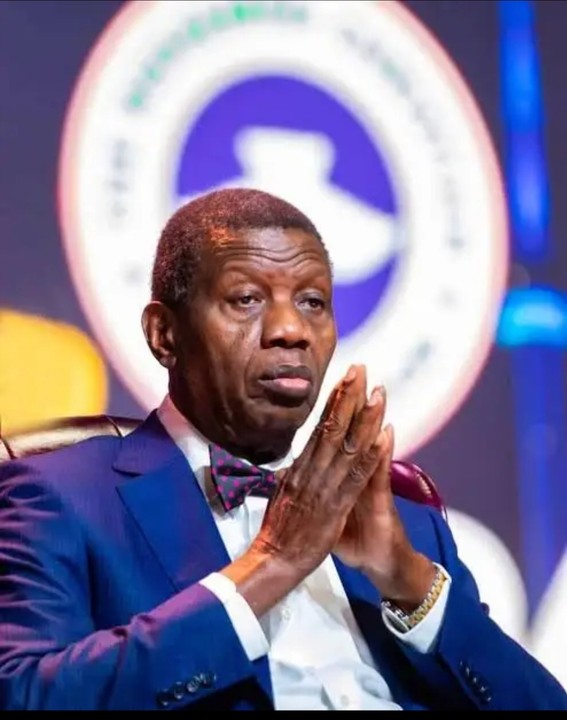
  • Tinubu Hails Adeboye at 84, Calls Him National Gift

    Tinubu Hails Adeboye at 84, Calls Him National Gift

    President Bola Tinubu and and wife Oluremi Tinubu have praised Enoch Adeboye as “one of our nation’s greatest gifts” as the cleric marked his 84th birthday on Sunday.

    In a joint tribute issued by the presidency, the couple described the General Overseer of the Redeemed Christian Church of God as a spiritual pillar whose prayers continue to support Nigeria. They said his humility and wisdom have shaped lives and strengthened communities beyond the church.

    The message praised his work in charity, healthcare, education and economic support, noting that his influence extends far beyond preaching. The statement also thanked God for what it called his “exceptional life of impact” across cultures and nations.

    The president commended Adeboye’s prayers for the country and praised his commitment to national progress. He prayed for continued strength and good health for the cleric as he carries on his ministry.

    Born on 2 March 1942 in Ifewara, Adeboye earned a doctorate in Applied Mathematics from University of Lagos. He joined RCCG in 1973 and became its leader in 1981, succeeding founder Josiah Akindayomi.

    Under his leadership, the church has grown from a small Lagos congregation into one of the world’s largest Pentecostal movements, with branches in more than 190 countries. Its monthly Holy Ghost Service at Redemption Camp draws huge crowds and ranks among the largest Christian gatherings.

    Adeboye has also founded Redeemer’s University and led several social initiatives through church programmes.

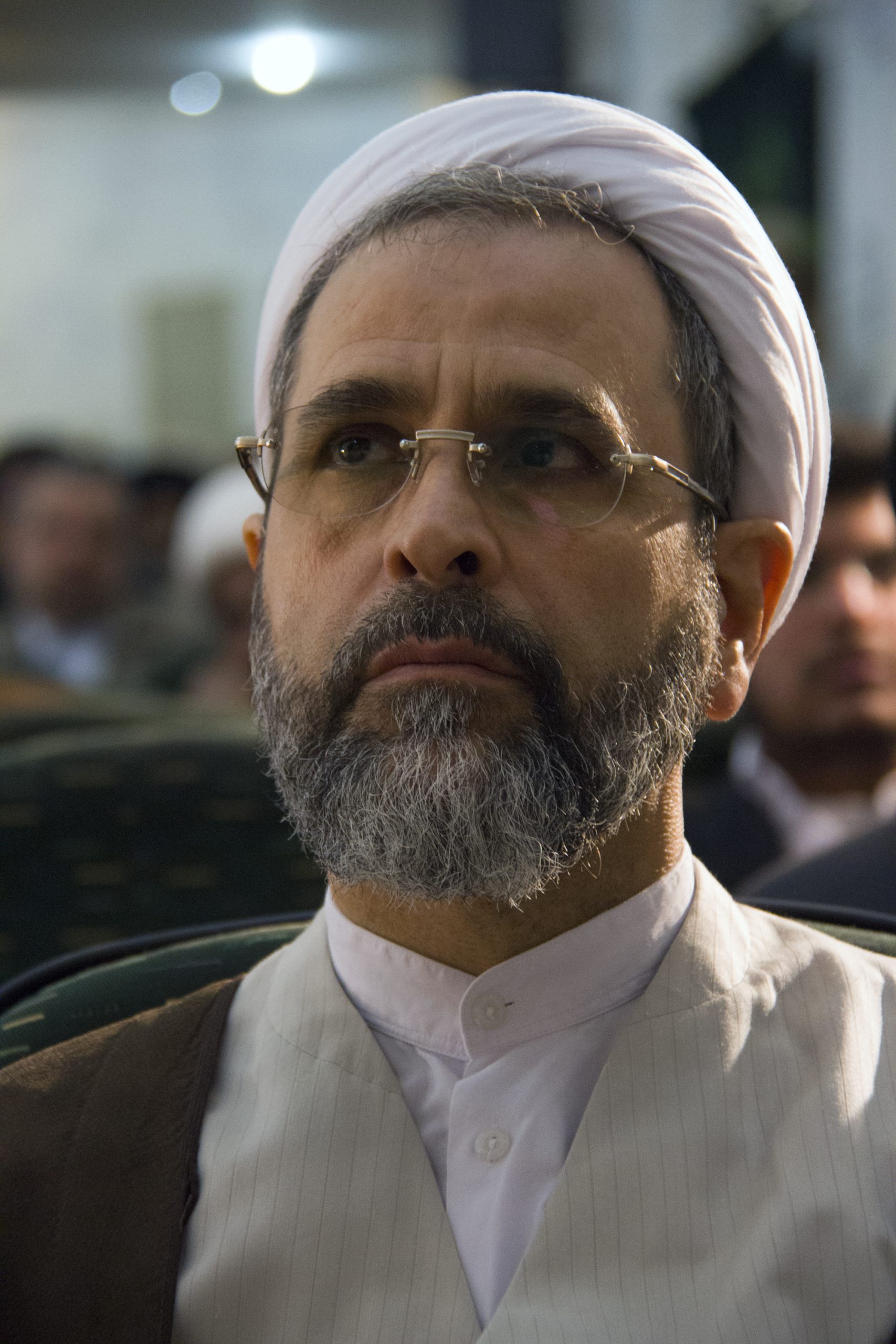
  • Who is Arafi: He Has Stepped Into Iran’s Interim Leadership

    Who is Arafi: He Has Stepped Into Iran’s Interim Leadership

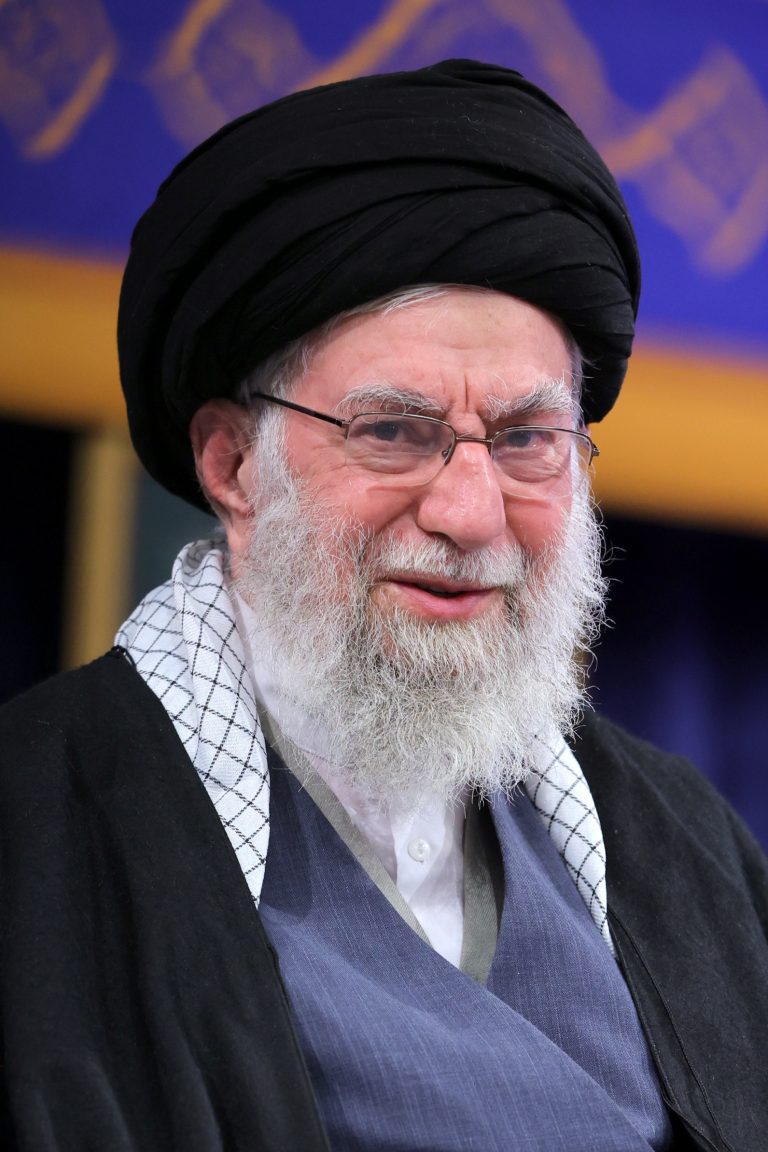
    Cleric Alireza Arafi has assumed a central constitutional role in Iran’s leadership structure following the reported death of Supreme Leader Ali Khamenei, becoming the clerical member of the country’s temporary ruling council.

    Under Article 111 of the constitution, a three-person body takes over the supreme leader’s powers if the position becomes vacant. The council includes the president, the judiciary chief, and a senior Islamic jurist from the Guardian Council. The current line-up consists of President Masoud Pezeshkian, Chief Justice Gholamhossein Mohseni-Ejei, and Arafi as the designated jurist.

    Despite some reports describing him as acting supreme leader, the constitution defines the role as collective authority rather than a single interim ruler.

    Early life and education
    Arafi was born in 1959 in Meybod, in Yazd province. He studied in Qom, the country’s main centre for Shia scholarship, where he built his clerical career and rose through religious institutions.

    Institutional influence
    His power base lies within Iran’s clerical system rather than electoral politics. He serves on the Guardian Council, which reviews laws and approves election candidates, and is also a member of the Assembly of Experts, the body that appoints and supervises the supreme leader.

    Arafi heads Iran’s national seminary network and previously led Al-Mustafa International University, which trains clerics from Iran and abroad. These roles placed him close to the core of state power even before the succession process began.

    Transition period
    Khamenei’s reported death marks only the second leadership transition since the 1979 revolution. The Assembly of Experts must now choose a permanent successor, though officials have not set a timetable.

    Until then, Arafi and the other council members will jointly oversee state authority during a period of regional tension and domestic uncertainty. Analysts say the interim structure is designed to maintain stability while senior clerics deliberate on Iran’s next supreme leader.

  • Iran Begins Mourning After Khamenei Death Report

    Iran Begins Mourning After Khamenei Death Report

    Iran has begun 40 days of mourning after state media said Supreme Leader Ali Khamenei was killed in strikes blamed on the United States and Israel.

    Officials said senior security figures and several of Khamenei’s relatives also died in Saturday’s attacks. The reported deaths mark one of the most serious blows to Iran’s leadership since the 1979 revolution.

    President Masoud Pezeshkian called the killing “a great crime” in a statement from his office. He announced seven public holidays alongside the national mourning period.

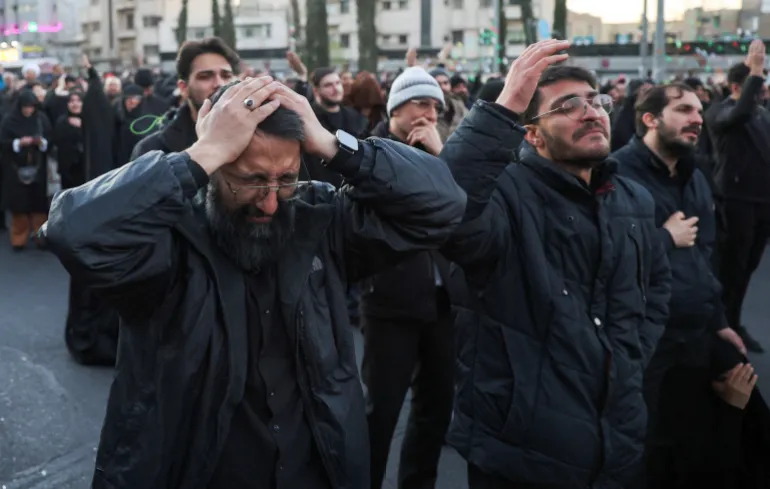
    Crowds gathered in Tehran soon after the announcement. Witnesses said people poured into streets and public squares as mourning ceremonies began despite ongoing military tension.

    State television aired images of mourners at the Imam Reza Shrine in Mashhad, where several people were seen weeping and collapsing in grief.

    Protests also broke out in cities including Shiraz and Yasuj, while demonstrations spread abroad. In Baghdad, crowds gathered near the fortified district that houses government buildings and foreign embassies. Iraq declared three days of mourning in response to the reported killing.

    In Karachi, protesters attacked the US consulate, smashing windows and setting fires, according to verified footage. Security forces later dispersed the crowd.

    There were also scattered reports of celebrations in some Iranian cities, including Karaj and Isfahan, witnesses said.

    There has been no independent confirmation of the circumstances surrounding Khamenei’s reported death. Analysts warn that uncertainty and anger over the claims could fuel further unrest across the region.

  • Umahi Rejects Sex-for-Debt Claim, Calls It Political

    Umahi Rejects Sex-for-Debt Claim, Calls It Political

    Minister of Works Dave Umahi has denied allegations that he demanded sex from a businesswoman in exchange for settling a debt, calling the claim false and politically driven.

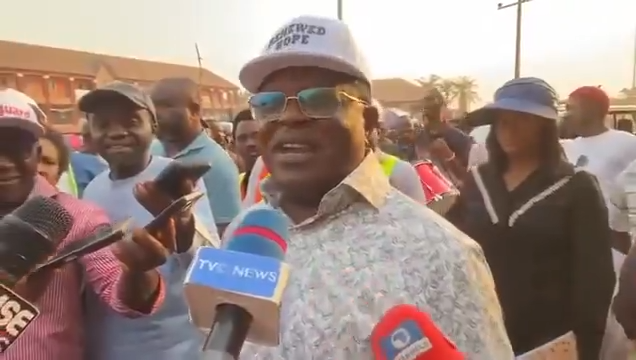
    Speaking on Saturday in Enugu during an inspection of federal road projects, Umahi said the accusation by Tracyniter Nicholas Ohiri was aimed at damaging his reputation ahead of political activity in the country.

    He told reporters that he had served in public office for years without similar complaints. He listed his past roles as party chairman, deputy governor, and governor, and said no one had accused him of harassment during that time.

    Umahi said social media criticism did not trouble him and instead strengthened his resolve. He added that while public figures often face rumours, he viewed the allegation as an attempt to gain attention online.

    The minister spoke after touring projects in Anambra State and nearby areas. The sites included the Enugu–Onitsha Expressway, flyovers at Abakpa junction, and works along the Enugu–Abakaliki–Ogoja highway corridor.

    He urged Nigerians to focus on national priorities rather than online disputes. He also linked the claim to early political manoeuvring, saying the real contest would begin once the Independent National Electoral Commission announces election timelines.

    Umahi did not address details of the alleged debt but insisted the accusation lacked proof. He said the public should judge him by his record in office.

    The allegation has circulated widely on social platforms, drawing mixed reactions, though no formal investigation has been announced.

  • FG Transfers Ahmadu Bello Stadium to Kaduna State

    FG Transfers Ahmadu Bello Stadium to Kaduna State

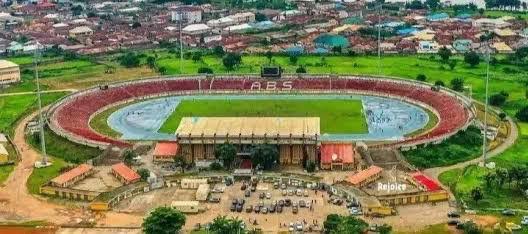
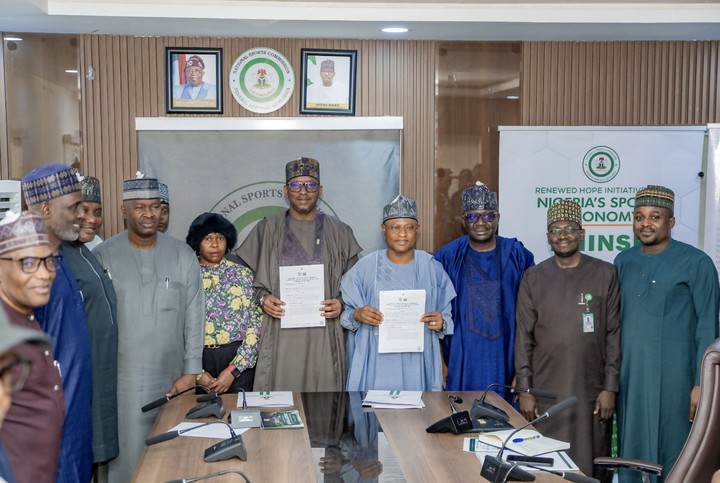
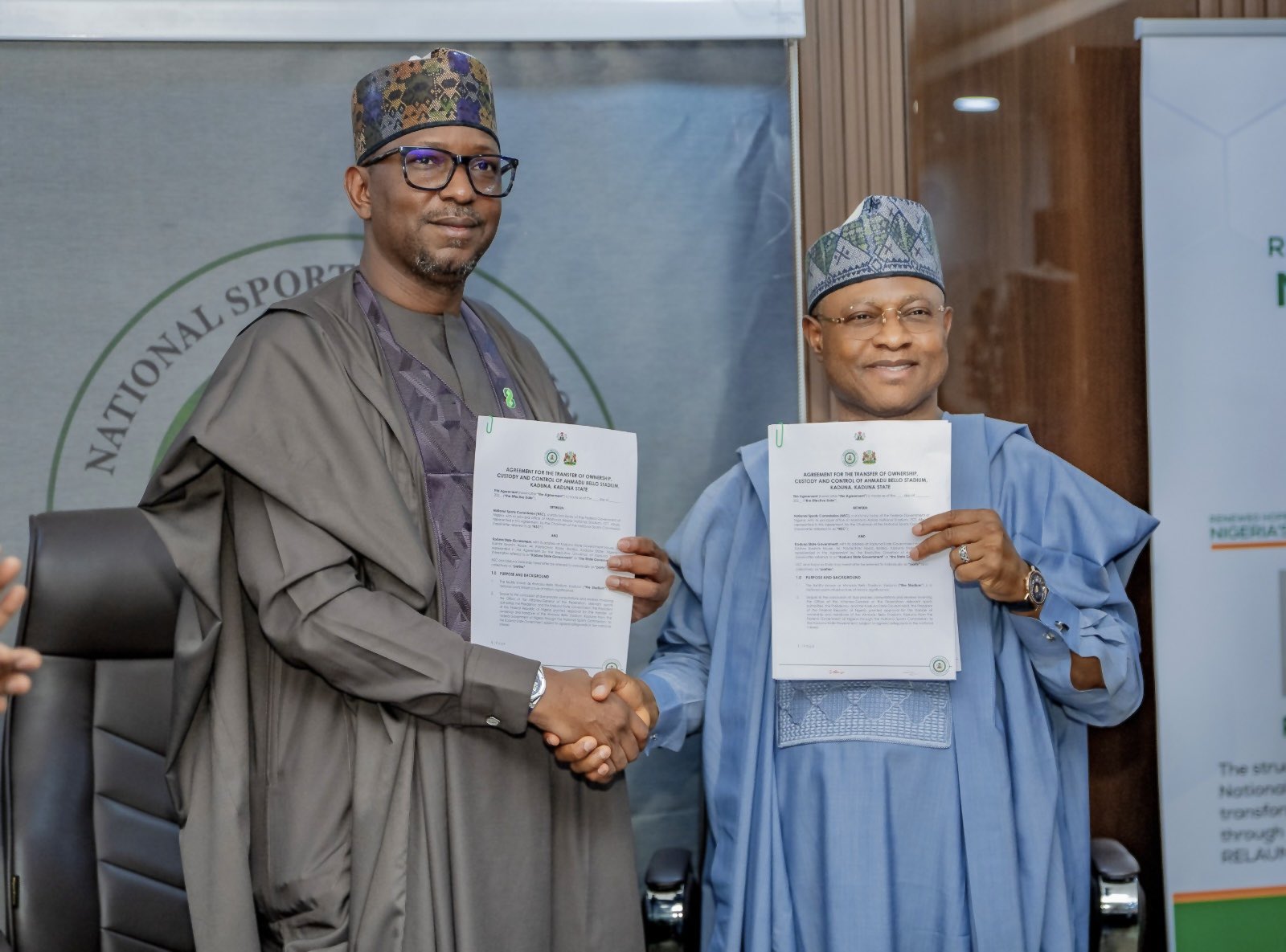
    Ownership of Ahmadu Bello Stadium has been handed to the Kaduna State Government after approval from Bola Ahmed Tinubu, marking a major shift in control of one of Nigeria’s oldest sports facilities.

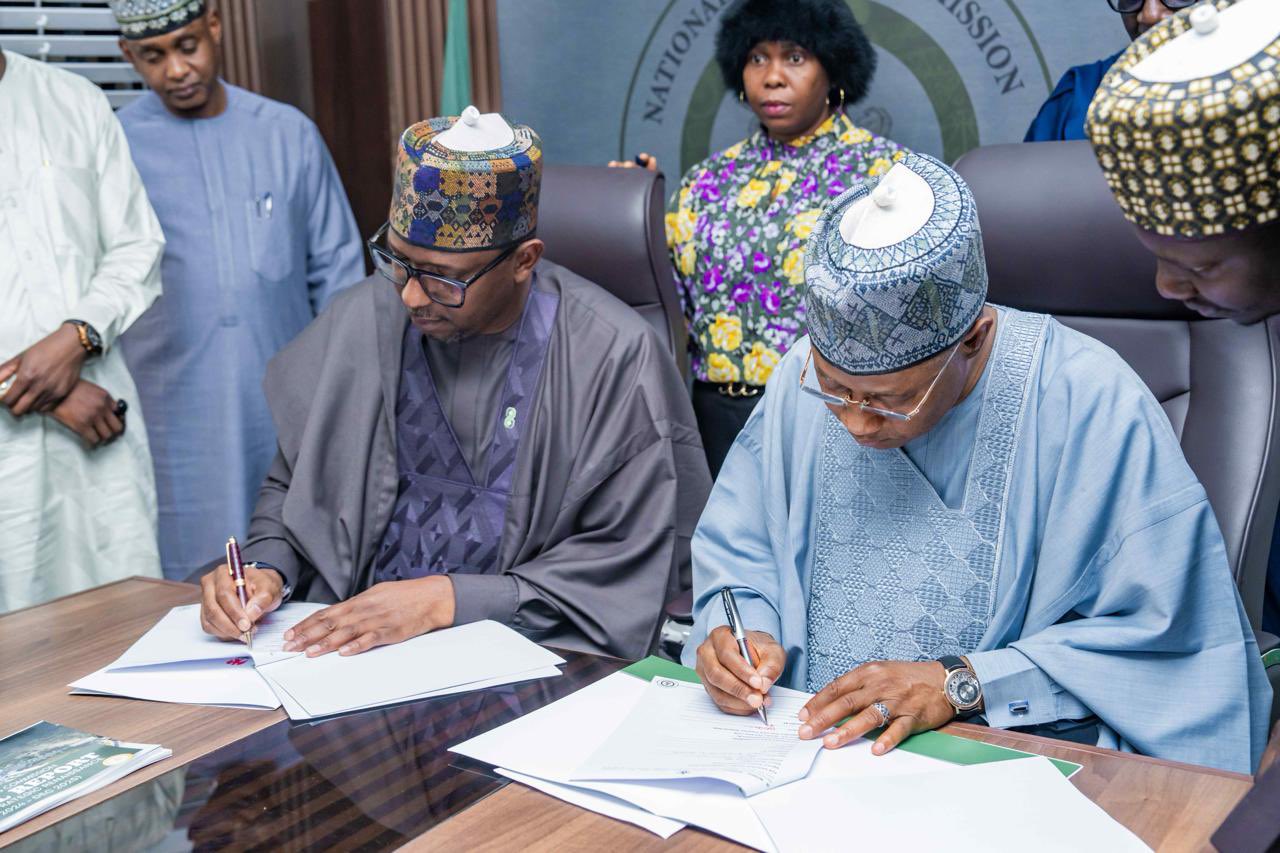
    Governor Uba Sani announced the transfer, saying the move followed an agreement between the state and the Federal Government of Nigeria, executed through the National Sports Commission led by Shehu Dikko. He described the decision as a step with “enduring institutional consequence” designed to revive the stadium and boost economic activity.

    The arena, opened in 1964, has not seen major structural upgrades in decades. Reconstruction has now begun, with plans to expand capacity from 16,000 to 32,000 seats. Once completed, it is expected to become Nigeria’s second-largest stadium after Moshood Abiola National Stadium.

    State officials say the redevelopment aims to attract sports tourism, create jobs, and draw private investment. The government also pledged that the venue would remain available for national teams and federal sporting events despite the ownership change.

    The commission welcomed Kaduna’s decision, noting that the project aligns with federal plans to position sport as an economic sector rather than just recreation. According to the statement, other states are now considering similar partnerships.

    Governor Sani thanked federal authorities and stakeholders involved in the transfer, expressing confidence that the rebuilt stadium would stand as a long-term symbol of cooperation and public stewardship.