

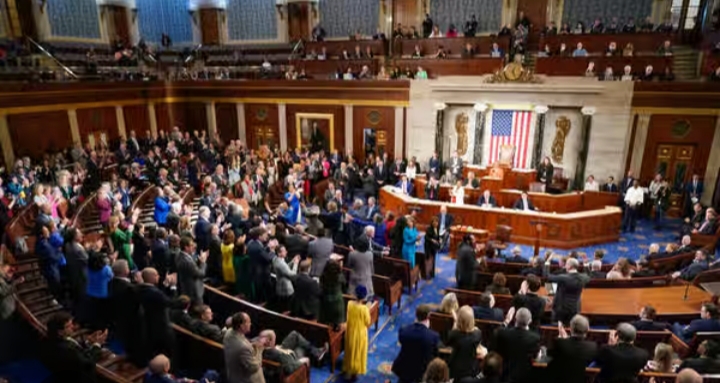
US lawmakers on Tuesday held a joint briefing in Washington on kidnappings and the reported persecution of Christians in Nigeria, acting on President Donald Trump’s directive for a full review of the situation.
Trump had on October 31 told the House Appropriations Committee to investigate what he called the slaughter of Christians in Nigeria and submit a report to the White House. The briefing brought together members of the Appropriations and Foreign Affairs Committees, along with religious-freedom experts.
House Appropriations Vice Chair Mario Díaz-Balart opened the session by calling religious freedom a core American concern. He said his funding bill for 2026 includes measures to protect people targeted for their beliefs. Other lawmakers echoed his concerns. Robert Aderholt described the crisis in Nigeria as “impossible to ignore,” while Riley Moore linked the hearing to the recent re-designation of Nigeria as a Country of Particular Concern.
Foreign Affairs Chairman Brian Mast said extremist groups were carrying out “a targeted campaign of religious cleansing” in the Middle Belt, urging Abuja to dismantle armed groups and return displaced families. Africa Subcommittee Chair Chris Smith called Nigeria “ground zero of religious violence,” accusing authorities of allowing attackers to operate with impunity.
Experts warned that attacks on Christians and moderate Muslims were rising. USCIRF Chair Vicky Hartzler cited the recent abduction of schoolchildren and teachers. Sean Nelson of ADF International described cases of kidnappings, forced conversions, and Sharia-related imprisonment. Dr Ebenezer Obadare said jihadist violence driven by Boko Haram remained the country’s biggest security threat.
Committee officials said a report for President Trump is underway.
The session came as Nigeria’s House of Representatives prepared to debate nationwide security concerns. Lawmakers are also moving forward on a state police bill, which has cleared joint committee review and awaits votes in both chambers. Supporters say decentralised policing will help states respond to growing insecurity.
