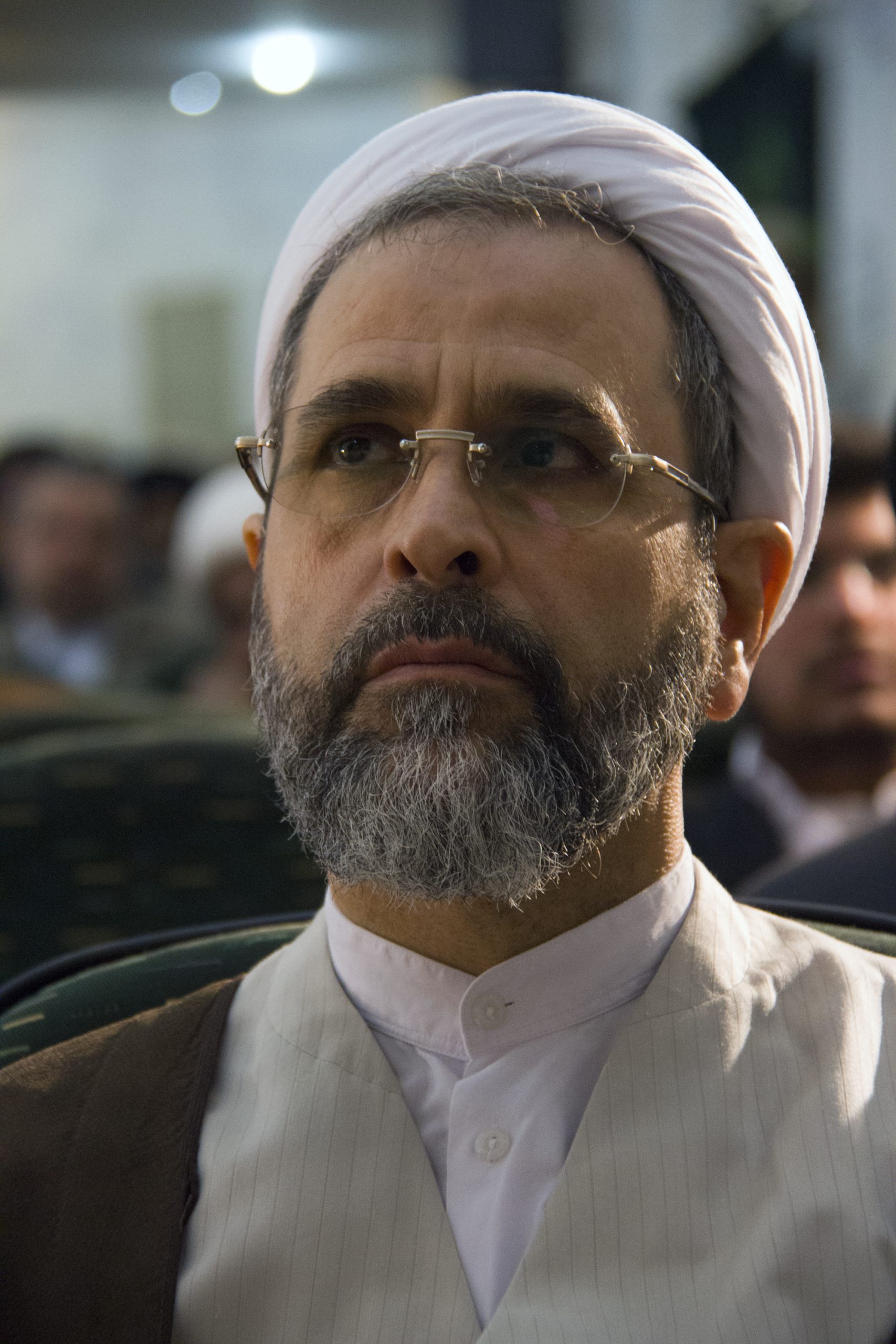
Cleric Alireza Arafi has assumed a central constitutional role in Iran’s leadership structure following the reported death of Supreme Leader Ali Khamenei, becoming the clerical member of the country’s temporary ruling council.
Under Article 111 of the constitution, a three-person body takes over the supreme leader’s powers if the position becomes vacant. The council includes the president, the judiciary chief, and a senior Islamic jurist from the Guardian Council. The current line-up consists of President Masoud Pezeshkian, Chief Justice Gholamhossein Mohseni-Ejei, and Arafi as the designated jurist.
Despite some reports describing him as acting supreme leader, the constitution defines the role as collective authority rather than a single interim ruler.
Early life and education
Arafi was born in 1959 in Meybod, in Yazd province. He studied in Qom, the country’s main centre for Shia scholarship, where he built his clerical career and rose through religious institutions.
Institutional influence
His power base lies within Iran’s clerical system rather than electoral politics. He serves on the Guardian Council, which reviews laws and approves election candidates, and is also a member of the Assembly of Experts, the body that appoints and supervises the supreme leader.
Arafi heads Iran’s national seminary network and previously led Al-Mustafa International University, which trains clerics from Iran and abroad. These roles placed him close to the core of state power even before the succession process began.
Transition period
Khamenei’s reported death marks only the second leadership transition since the 1979 revolution. The Assembly of Experts must now choose a permanent successor, though officials have not set a timetable.
Until then, Arafi and the other council members will jointly oversee state authority during a period of regional tension and domestic uncertainty. Analysts say the interim structure is designed to maintain stability while senior clerics deliberate on Iran’s next supreme leader.
Leave a Reply